
Widows Might
Skill and business training that empowers widows to support their families paired with Bible teaching that give them eternal HOPE.

THE LIFE OF A WIDOW IS HARD
- Most of the time when a husband dies, his extended family comes and forcefully takes everything of value from the widow, often leaving her homeless.
- Widows often send their children to find work at young ages to help provide for the family.
- Many widows were victims of child marriage and never had the chance to attend school.
- The average age of our widows range from 20 years old to unknown (as many of our widows never knew their birthday).
Widows Needing Sponsorship
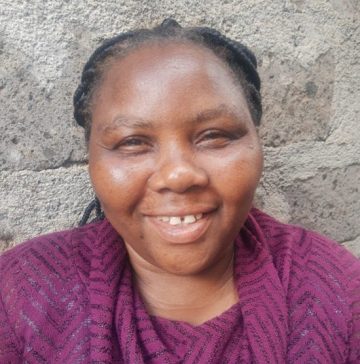
Joyce Moraa
MAS-WM2
Mashimoni Hope Center
Her husband's name was Andrew Ombura Chuma and he had a road accident and eventually passed away. They had been married for 22 years and had 7 children. They had a beautiful marriage until Joyce had an accident which really drained their finances. Andrew was a business man, but her sickness was challenging for his business. After Joyce recovered, Andrew had the road accident and died 3 months later. His family took the parcel of land that she had, which is the custom of that area. This land case is now in court, and she is frustrated that she can no longer provide for her children. She is ready to get trained to acquire skills for her sustainability.
Mashimoni is a section of Kibera, a slum in the heart of the capital of Nairobi. Kibera is the third largest slum in the world with over a million people living in a very small area. Life in Mashimoni is difficult, with most of its residents living in extreme poverty earning less than a dollar a day. Kibera is a maze of narrow, deeply rutted alleys lined with mud and corrugated metal houses. The majority living here lack the most basic services such as electricity, clean water and medical care. paid.
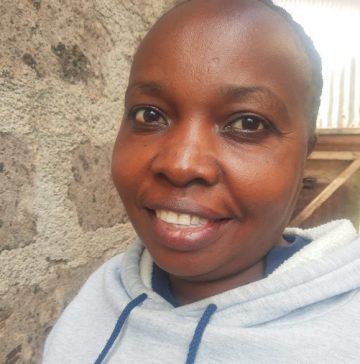
Mary Wanja
MAS-Wm4
Mashimoni Hope Center
Mary's husband was Gabriel Mutuku Mutua and he died of pneumonia. They had two children, both boys. They had a peaceful marriage until he died. Her in-laws frustrated her and she was chased away to go back to her family. Her mother-in-law, who was also a widow, stood up for her and Mary is staying with her to this date. They are taking care of each other because they need the support. Mary is determined to learn skills that can enable her to support herself and her mother-in-law.
Mashimoni is a section of Kibera, a slum within the heart of Nairobi. Kibera is the third largest slum in the world with over a million people living in a very small area. Life in Kibera is difficult, with most of its residents living in extreme poverty, earning less than a dollar a day. Kibera is a maze of narrow, deeply rutted alleys lined with mud and corrugated metal houses. The majority living here lack the most basic services such as electricity, clean water and medical care.
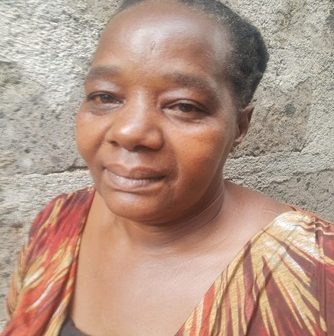
Beatrice Masista
MAS-WM5
Mashimoni Hope Center
Beatrice's husband was Thomas Otieno Hongo and was HIV positive and died in Kenyatta Hospital. They had been married for 24 years and had 5 children. Their marriage had a lot of problems and they had separated by the time he died. He did not take care of his responsibilities of the family and the children. The children lacked the proper education. After he died, his family has been good to her because of the children. Life has been hard on Beatrice. Her husband had never built a house, so she has no place to stay. She does casual jobs like washing clothes for others, but this is not enough to sustain her and her children. She is ready to learn new skills to be able to support herself and her family.
Mashimoni is a section of Kibera, a slum within the heart of Nairobi. Kibera is the third largest slum in the world with over a million people living in a very small area. Life in Kibera is difficult, with most of its residents living in extreme poverty, earning less than a dollar a day. Kibera is a maze of narrow, deeply rutted alleys lined with mud and corrugated metal houses. The majority living here lack the most basic services such as electricity, clean water and medical care.
24 Months to Generational Hope
The Widows Might Program seeks to instruct, encourage, and empower destitute widows by providing food assistance each month, skills training they can turn into a business, and Bible teaching.
The cost of this program is $65 per month, and the length of the program for each sponsored widow is 24 months. At the end of the 24 months each widow receives a "Business in a Bag" that provides her all the tools she needs to run her own business. Our Maasai widows receive five goats to start their own self-sustaining goat herd and our Kibera widows receive a sewing machine. The impact of this program stretches beyond the widow herself, but allows her to support her children, send them to school and create a generational hope.
Skill Training

Five goats (Maasai Widows)

Sewing Machine
Monthly Food Assistance
Bible Study

Widows Might has proven to be highly effective in helping widows become completely self-supporting.

To date, 204 widows have graduated from our program with 85 currently enrolled.

Our graduated widows are able to afford homes for their families, put food on the table and send their children to school.

For every widow that we help, there are hundreds of other widows who also need assistance.