


Student Sponsorship = Hopeful Future
We firmly believe that a foundational education is the key to a hopeful future. In Kenya primary education (K-8) is provided free by the government; however, in order to attend our students need to provide their own uniform, scholastic materials and school fees. Your monthly gift of $40/month provides all the necessities for your sponsored student to stay in school and continue his/her education.
School Fees
Scholastic Materials
Daily Nourishing Meal
Yearly Uniform
"A hungry stomach does not learn."
Because many of our students come to school hungry, we started our feeding program that feeds a nourishing meal to every student that attends our Hope Center schools. Our student sponsor gifts support this ministry so that you are not just feeding your student but all of his/her classmates. For many of our students, this is the only meal they will have that day.


Kibera Student Sponsorship
Kibera is the largest slum in Kenya located in the capitol Nairobi. The estimated population of Kibera being 500,000 people living in a 1 square mile region closely bounded by more affluent areas.
Only around 40% of Kibera's children attend school on any given day. Rate of unemployment is 50%. It is here that we have set up a Hope Center in Mashimoni village (one of twelve communities in Kibera) and offer student sponsorship.
The cost of living is double in Kibera compared to our rural Maasai communities. Due to this we assign each Kibera student with two sponsors.
Watch the video below to see what life in Kibera looks like for our students and ways Kenya Hope is seeking to meet basic needs of families there.
A Day in the life of a Maasai Kenyan Student
Students Needing Sponsorship
You will find a clock icon on the profiles of children who have been waiting the longest for their sponsor.
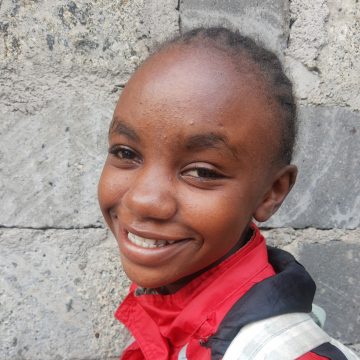
Victoria
KIB-F324
16 year-old, girl
Birthday 02/13/2009
Kibera Hope Center
Victoria is one of four siblings. Her mother is a house cleaner, and her father is a casual laborer. Victoria has been at school on and off due to her parents inability to pay for the school fees. She is a hard worker at home and when she is able to go to school her performance is excellent. She hopes she can continue to attend school and become a doctor/surgeon.

Marion
KIB-F304
14 year old, girl
Birthday 04/3/2011
Kibera Hope Center
Marion has one older brother and two sisters, ages 10 and 4. Her dad abandoned the family when she was young, leaving her mother to raise them as a single parent in Kibera. Marion's mother works as house help and is unable to provide for the family's basic needs and also pay for education consistently.

Ronald
KIB-M323
13 year old, boy
Birthday 02/01/2013
Kibera Hope Center
Ronald is one of seven siblings. Ronald has not been able to go to school this whole year because there is no money to pay school fees. He desires to go to school where he knows he will be able to have lunch, get an education and hopes to one day become a nurse to provide for his family. All of his siblings are home with maybe one meal a day, provided by well wishers. His parents are both unemployed.
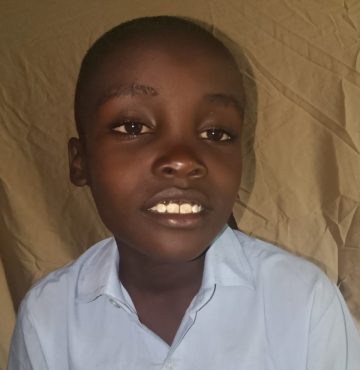
Fidel
KIB-M327
8 year-old, boy
Birthday 10/24/2017
Kibera Hope Center
Fidel's mother is Mary Rudisy and his father is Peter Odhiambo. He has three siblings, a boy and two girls. Fidel lives with his mother in the upcountry while his father works in Nairobi. His mother does some farming in order to help support the family with the basic needs. Fidel is a brilliant boy and has a promising future. If he has a chance for education, with Kenya Hope sponsorship, his dreams of becoming an engineer will come true. His prayer request is to achieve his goals in education.
Kibera is the name of an area located within the heart of the capital of Nairobi. It is the third largest slum in the world with over a million people living in a very small area. Life in Kibera is difficult, with most of it's residents living in extreme poverty, earning less than a dollar a day. Kibera is a maze of narrow, deeply rutted alleys lined with mud and corrugated metal houses. The majority living here lack the most basic services such as electricity, clean water and medical care.
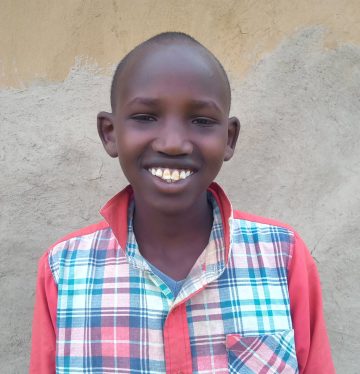
Peter
ILK-M108
14 year old, boy
Birthday 10/12/2011
Ilkerine Hope Center
Peter's mother is Hellen Nesiamo and his father is William Koitamet and both of them are unemployed. He has seven brothers and one sister. His family depends on keeping livestock. Because the drought and diseases affected their cows, they are no longer able to care for their children's educational needs.
Peter comes from the remote community of Ilkerine located in the heart of the Maasai tribe. This community is at a mile high elevation. The majority of people live in mud houses, with no electricity and no running water. The Maasai people are herdsmen and depend on their livestock for their livelihood. Often the baby animals are kept in a small room inside their mud houses. Walking is the main mode of transportation and it not uncommon for children to walk five miles or more to school
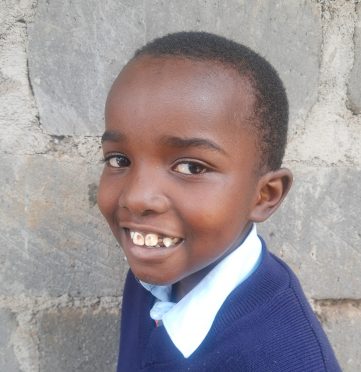
Joshua
KIB-M305
10 year old, boy
Birthday 05/12/2015
Kibera Hope Center
Joshua and his 3-year-old brother live with their parents in Kibera. He is a bright child whwo loves drawing and coloring. Their father is the bread winner of the family. However, he doesn't earn much working as a casual laborer and is unable to provide for the family and also pay for Joshua's school fees.
Kibera is the name of an area located within the heart of the capital of Nairobi. It is the third largest slum in the world with over a million people living in a very small area. Life in Kibera is difficult, with most of it's residents living in extreme poverty, earning less than a dollar a day. Kibera is a maze of narrow, deeply rutted alleys lined with mud and corrugated metal houses. The majority living here lack the most basic services such as electricity, clean water and medical care.
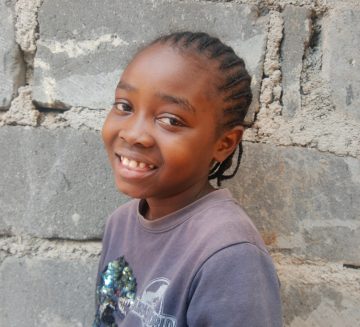
Abigael
KIB-F332
13 year old, girl
Birthday 08/12/2012
Kibera Hope Center
Abigael is a very bright girl, calm and composed. She is being raised by a single mother as her father abandoned the family some years ago. She has five siblings and it has been quite difficult for her mother to raise the children as she only can work as a casual laborer. The little that her mother earns needs to go to put food on the table. Her mother cannot afford the school fees for Abigael or her siblings to go to school. Abigael would want to be a doctor when she grows up, but she is at the verge of losing hope on her dreams. It is her muble prayer that a well-wisher would help her go back to school.
Kibera is the name of an area located within the heart of the capital of Nairobi. It is the third largest slum in the world with over a million people living in a very small area. Life in Kibera is difficult, with most of it's residents living in extreme poverty, earning less than a dollar a day. Kibera is a maze of narrow, deeply rutted alleys lined with mud and corrugated metal houses. The majority living here lack the most basic services such as electricity, clean water and medical care.
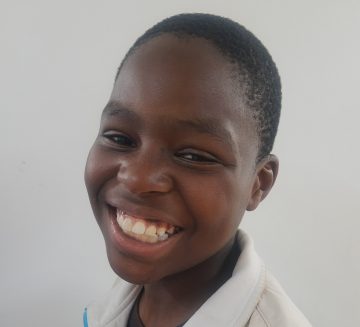
Javine
KIB-M334
13 year old, boy
Birthday 12/01/2012
Ilkerine Hope Center
Javine is a very intelligent and hardworking boy with an exemplary performance when he is able to go to school. He is also a very talented footballer (in USA this is called soccer). He is being raised by a single mother and since she has no regular income, she cannot alsays pay for the school fees for him to attend school. He is holding onto the hope of being able to complete his education. He has two brothers and one sister. He hopes that someone will be willing to support him so that he may be able to schieve his dreams of becoming an artist and a footballer.
Kibera is the name of an area located within the heart of the capital of Nairobi. It is the third largest slum in the world with over a million people living in a very small area. Life in Kibera is difficult, with most of it's residents living in extreme poverty, earning less than a dollar a day. Kibera is a maze of narrow, deeply rutted alleys lined with mud and corrugated metal houses. The majority living here lack the most basic services such as electricity, clean water and medical care.
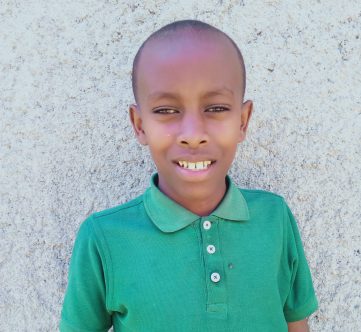
Elijah
ILK-M96
13 year old, boy
Birthday 06/01/2012
Ilkerine Hope Center
Elijah has two brothers and four sisters. Elijah's family has been depending on keeping cows and goats as a source of income, but during the 2022-2023 year the drought caused the death of all their animals. This left them in a hardship and made them unable to pay the school fees necessary for the children's education. Elijah is a bright boy in class and needs to be assisted to succeed in life.
Elijah comes from the remote community of Ilkerine located in the heart of thte Maasai tribe. This community is at a mile high elevation.. The majority of people live in mud houses with no electricity and no running water. The Maasai people are herdsmen and depend on their livestock for their livelihood. Often the baby animals are kept in a small room inside their mud houses. Walking is the main mode of transportation and it is not uncommon for children to walk five miles or more to school.